Tata Group’s Future Shaped by Trusts and Family
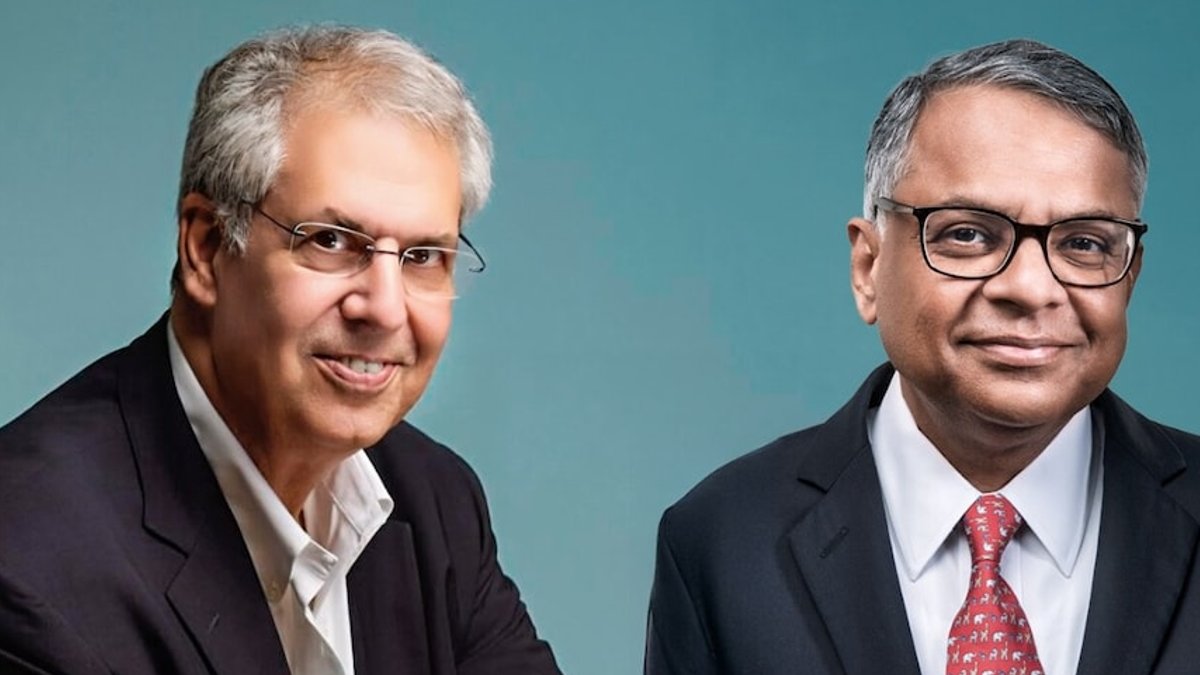
Noel Tata has moved from a behind‑the‑scenes executive to the chair of the trusts that own the majority stake in the Tata Group, a shift that reshapes how the conglomerate’s future may be directed.
From retail chief to trust chairman
Noel Naval Tata began his career after studying at the University of Sussex and completing the International Executive Programme at INSEAD. He spent more than four decades within the Tata family of companies, most prominently as managing director of Trent and later Tata International. Under his stewardship, Tata International’s turnover rose from roughly $500 million to over $3 billion, according to the group’s own figures. At Trent, he guided the expansion from a modest retail operation into a portfolio that now includes Westside and Zudio.
Today, Tata’s internal filings list him as chairman of Trent, Tata International, Voltas and Tata Investment Corporation, and as vice‑chairman of both Tata Steel and Titan. The most consequential appointment came after the death of Ratan Tata in October 2024, when the trustees of the Tata Trusts unanimously selected Noel to chair the collective trusts.
How the trusts influence Tata Sons
The Tata Trusts together hold about 66 % of Tata Sons, the holding company that sits atop the conglomerate. That share gives the trusts decisive voting power over Tata Sons’ strategic choices. Following his appointment, Noel was nominated by the trusts to the Tata Sons board and assumed a non‑executive director role on 22 October 2024, as recorded in the company’s Articles of Association.
Related: Molbio Diagnostics IPO allotment odds revealed
While the chair of Tata Sons remains N Chandrasekaran until his term ends in February 2027, Noel’s dual role—chair of the trusts and board member of the holding company—creates a clear line of influence that differs from traditional family‑controlled models. The distinction between ownership influence and day‑to‑day executive control is important for investors and analysts watching the group’s governance.
His influence operates through three main channels: the trusts that own the majority of Tata Sons, his board seat at Tata Sons as the trusts’ nominee, and his leadership positions across several operating companies. This arrangement has become more visible in recent board debates, especially regarding capital allocation and the performance of newer, loss‑making businesses.
It would be inaccurate to claim that Noel directly controls every Tata subsidiary; many operate with independent boards and management teams. Nonetheless, his positions across the trust network and key operating firms give him a platform to shape the group’s direction, especially as the board prepares for Chandrasekharan’s eventual departure.
Investors watch closely.
Related: Spider Man Nears 400 Crore in India
Comparing this transition to earlier phases of the Tata Group’s history, the current setup resembles a scenario where the ownership block and executive management are deliberately kept separate.
Strategic stakes on the horizon
The group faces several large‑scale initiatives that will test the new governance approach. Projects include expanding Air India, launching an $11 billion semiconductor venture, and steering Tata Consultancy Services toward an AI‑driven market. Decisions on funding and oversight for these endeavors will likely involve close coordination between the trusts, the board, and the chief executives of the operating companies.
With Chandrasekharan signaling that he will not seek reappointment beyond February 2027, the upcoming selection of Tata Sons’ chairman will be a decisive moment for Noel and the trusts. Their confidence will be essential for any candidate, and the outcome could shape the conglomerate’s strategic priorities for years to come.

Molbio Diagnostics IPO allotment odds revealed


