Jio Platforms jumps to No. 2 in market cap debut
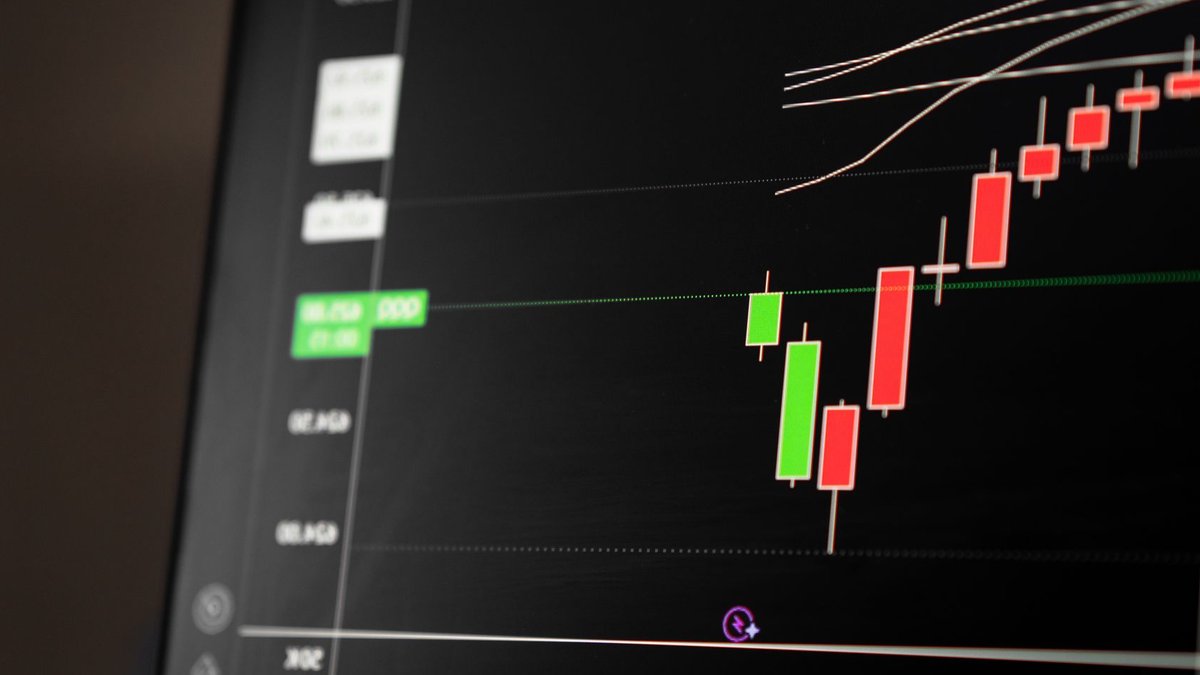
Jio Platforms Ltd. quickly climbed into India’s top-ranked publicly traded companies during its opening trading session, securing the second-highest market capitalization after a 21.3% premium valuation that immediately surpassed Bharti Airtel. The stock began trading at ₹1,358 on the Bombay Stock Exchange, up from its IPO price of ₹1,119, achieving a market valuation near ₹12.5 lakh crore. This positions the company ahead of Airtel’s approximate ₹12.1 lakh crore valuation, trailing only Reliance Industries Ltd., which holds around ₹15.95 lakh crore in market capitalization.
A Market Record
This successful debut marks the highest market capitalization opening for any newly listed Indian firm. Jio Platforms has also become the country’s largest publicly traded telecommunications company, outranking major corporations such as Tata Consultancy Services, State Bank of India, Bajaj Finance, Larsen & Toubro, and the Life Insurance Corporation of India.
The record market capitalization follows an unprecedented initial public offering. Jio Platforms secured approximately ₹30,200 crore through India’s largest-ever public share sale, drawing total demand exceeding ₹7 lakh crore across anchor and retail book-building phases. The offering was completely subscribed within just 100 minutes of opening, while the ₹5,500 crore portion reserved for qualified institutional buyers was fully allocated in the first 10 minutes. By the close of the third day, the IPO had been oversubscribed 22.2 times overall, with the QIB segment oversubscribed 70.55 times.
With 27 crore shares on offer, total demand reached 655.68 crore shares. The IPO attracted over 1.38 crore applications, including participation from retail and first-time investors. The company is poised to become the fourth global firm—after Meta, Alibaba, and SpaceX—to surpass a $100 billion equity valuation at its IPO.
Analyst Targets
At its offering price, Jio Platforms was valued at roughly ₹10.3 lakh crore, equivalent to about $109 billion. The 21.3% premium on listing day added approximately ₹2.2 lakh crore to its valuation. Analysts responded favorably to the company’s debut.
The consensus among analysts highlights key growth drivers: planned tariff hikes, subscriber growth, expansion of home broadband services, monetization of digital offerings, and reduced capital expenditure. Nomura noted Jio’s strategic shift from user acquisition to boosting per-customer revenue. The firm anticipates a roughly 15% industry-wide tariff adjustment in late 2026 and forecasts Jio Platforms’ EBITDA to rise at an annual rate of about 13.5% between fiscal 2026 and 2029.
Motilal Oswal projects a 15% tariff increase beginning March 2027, estimating Jio Platforms’ consolidated revenue, EBITDA, and net profit will grow at compound annual rates of 14%, 15%, and 20%, respectively, over the same period. The brokerage also expects Jio’s home broadband subscriber base to expand from 27 million in fiscal 2026 to 66 million by fiscal 2029, a 35% annual increase, with AirFiber accounting for roughly 80% of new additions.
Use of Proceeds
The IPO consists solely of 27 crore new shares, with no existing shareholders selling stakes. Jio Platforms intends to allocate ₹27,500 crore of the funds toward debt repayment or prepayment, while the remainder will be directed toward general corporate purposes. The listing has also made the Reliance Group India’s largest publicly traded business conglomerate by combined market value.


