Jacksons Airport Expansion Kicks Off Phase One
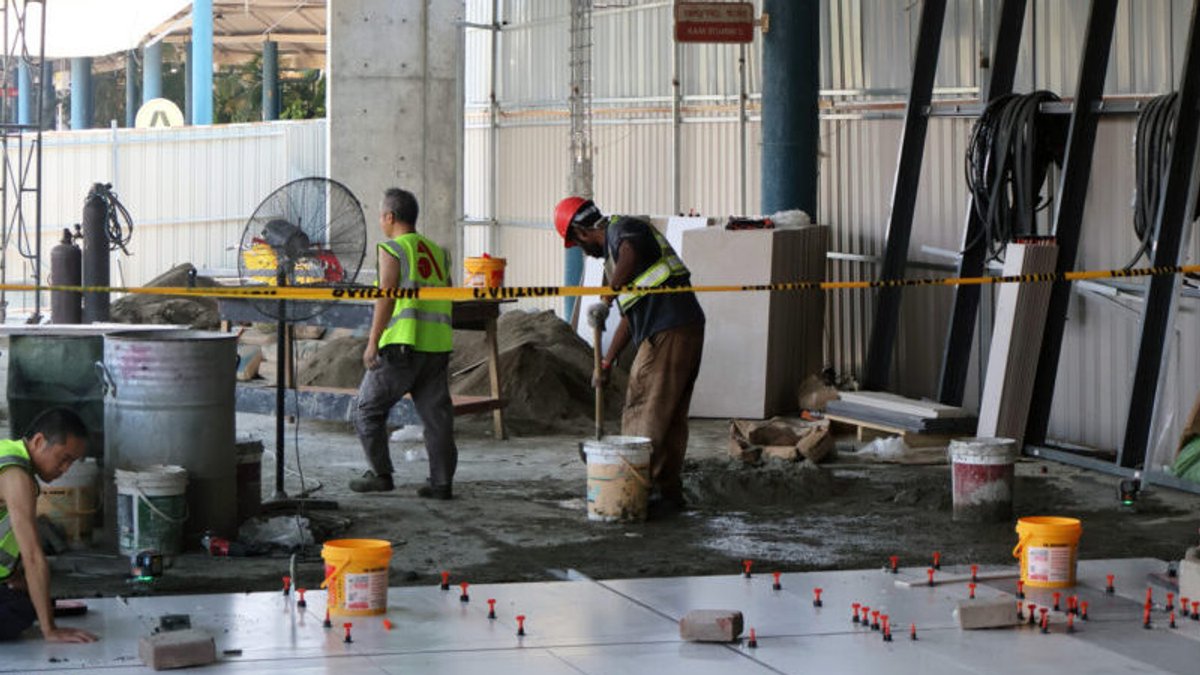
Work has started on the first phase of a multi-billion-kina redevelopment of Jacksons International Airport in Port Moresby, the country’s main gateway. The project, overseen by the National Airports Corporation, aims to ease congestion that has grown as passenger traffic surged over the past three decades.
Rising demand pressures aging facilities
Passenger numbers at the airport have more than doubled since 1997, reaching an estimated 1.68 million in 2025. Projections show traffic climbing to 2.5 million by 2035 and 3.7 million by 2045, a trend that strains both domestic and international terminals designed for far fewer travelers.
Leadership pushes to eliminate the bottleneck
When Jacob Anga became chair of the corporation two years ago, he said the airport could no longer serve as a “bottleneck.” He noted that rapid economic growth, especially in domestic travel, has outpaced the capacity of the existing terminals.
Phase one expands the domestic terminal
The first phase adds a K24.7 million extension built by local firm AG Investments. The new wing will triple the domestic terminal’s capacity, increasing the flow from the current 1,000-person limit to roughly 3,000 passengers moving through the building at any one time.
Improved passenger flow expected
Current queues often spill outside the terminal, forcing travelers to wait in the open. The expanded space will allow passengers to move more freely, reducing wait times and easing the pressure on ground-handling services during peak periods.
Phase two reshapes the domestic area
Later work will reconfigure the terminal layout, adding at least 24 check-in counters, travelators and a larger upstairs departure lounge. These upgrades aim to streamline processing and provide a more comfortable environment for the growing number of short-stay visitors.
While the exact timeline is still being refined, the additional facilities should accommodate the surge in travelers linked to upcoming energy projects such as Papua LNG and the P’nyang gas development.
Phase three upgrades aircraft handling zones
The third stage will modernize the apron where planes are parked, loaded and refueled. It includes the installation of aerobridges to serve Air Niugini’s new fleet of eleven Airbus A220 aircraft, improving boarding efficiency and passenger experience.
Read Also: Junior miners push ahead with gold and copper projects
Phase four creates a new international gateway
The final phase envisions a brand-new international terminal and a runway extension from 2,750 to 3,500 metres. Once completed, the current international building will merge with the domestic area, and Air Niugini could receive a dedicated terminal similar to Qantas’s arrangement in Australia.
Long-term vision includes an airport city
Beyond the runway and terminal work, planners anticipate an “airport city” on NAC land in front of the new international terminal. The precinct would host hotels, retail outlets, banking services and conference facilities, creating a one-stop hub for the roughly 60 percent of visitors who stay only a few days.
Funding for the initial phase is secured
Phase one financing combines K20 million from the national government with a K5 million contribution from the corporation itself. This budget covers construction costs and is slated for completion by December, a timing the chairman described as a “Christmas present” for travelers.
Asian Development Bank backs later stages
Phases two and three are slated for financing under the Asian Development Bank’s third Civil Aviation Development Investment Program (CADIP III). The bank’s involvement aims to reduce fiscal pressure on the government while ensuring that upgrades meet international safety and operational standards.
Private partnership needed for the final stage
Phase four lacks a fully defined funding source. Anga indicated that a public-private partnership will be essential, with Ernst & Young in Sydney drafting a financial model and Australian and PNG law firms preparing the legal framework. He expects the model to be ready within a year, after which the project can be marketed to investors.
Regional airports also receive upgrades
Concurrent with the capital project, NAC is strengthening runways at regional hubs to accommodate the heavier A220s. A K39.4 million upgrade at Mount Hagen’s Kagamuga Airport will be ready by December, while similar work at Alotau’s Gurney Airport and Kimbe’s Hoskins Airport, funded jointly by the government and the ADB, is nearing completion.
Plans are also under way for a new terminal at Kokopo’s Tokua Airport, which Anga describes as a “major tourism hub” that could soon handle international flights, further linking the country’s dispersed islands.
Because of Papua New Guinea’s rugged geography, the airport serves as the primary conduit linking the nation’s regions.


