PNG Coffee Powers Australian Cafés, Supports Farmers
Morning commuters line up at a Melbourne café for a flat white that costs about A$6, but the beans in the cup travel thousands of kilometres from the Highlands of Papua New Guinea.
From mountain farms to export crates
In 2025 the country harvested roughly 74,400 tonnes of coffee, according to the Coffee Industry Corporation. About half of that volume left PNG as green beans bound for overseas markets.
Export earnings from coffee reached K1.31 billion last year, making the crop the second-largest agricultural export after palm oil.
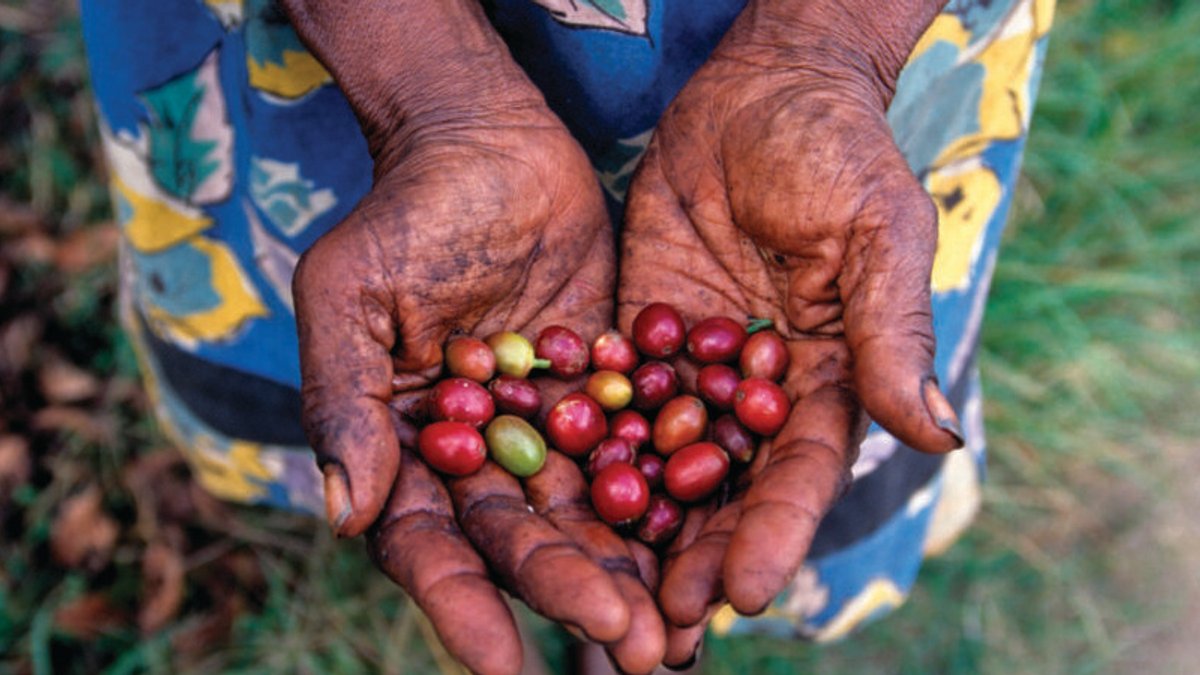
Nearly 2.5 million Papua New Guineans work in coffee, most as smallholders who tend a few trees on family plots. The sector funds school fees, medicine and basic food for countless households.
Australia buys the largest share of PNG coffee, accounting for roughly 21 percent of all exports, followed by Germany and the United States.
Australian roasters keep the link alive
Vic Lynch, a former highland grower now based in northern New South Wales, runs cafés in Sydney and Lismore and sources beans directly from his home region of Kundiawa.
Lynch says his business model aims to “give back to those who’ve raised you up,” focusing on fair payments rather than charity handouts.
In Ballarat, Enga Coffee continues a family legacy started by Takura Pyalanda, who used coffee earnings to fund his medical studies. Today the roaster supports micro-financing and school fees in the Wapenamanda district.
The de Lacey family of Tasmania roasts beans from the Bunum Wo and Sigri plantations in Jiwaka Province, praising the cocoa-toffee flavor profile of PNG coffee while noting high freight costs.
Related Post: Sheraton expands into Papua New Guinea
Specialty coffee buyers increasingly demand single-origin beans with traceable origins, pushing growers to improve post-harvest handling and secure better prices.
For a farmer, a steady contract with an Australian roaster can mean the difference between sending a child to school or not. The traceability demanded by specialty cafés pushes growers to adopt better post-harvest practices, which in turn lifts bean quality and price.
Logistics remain a hurdle: most beans are collected at roadside stations, and many farms lie days’ walk from the nearest truck route.
Freight from the highlands to Australian ports can exceed A$2,000 per metric tonne, a cost that roasters absorb to keep the supply chain alive.
Institutional support and historic roots
A dedicated Minister for Coffee highlights the sector’s national priority, a unique position worldwide. The role focuses on policy, research and farmer assistance, aiming to sustain the crop’s contribution to livelihoods.
Historical planting began with German missionaries and entrepreneurs such as Emma Coe Forsayth, known as “Queen Emma.” Though coffee arrived over a century ago, it never became a domestic beverage, remaining primarily an export commodity.
Grassroots enterprises expanding impact
Beyond specialty markets, bulk traders dominate the majority of PNG’s coffee exports. Nevertheless, the specialty segment, though representing a modest portion of global trade, drives improvements in post-harvest handling and quality standards across the industry.
Efforts to modernise processing include hand-pulping stations beside streams and communal drying platforms. These practices, while labour-intensive, preserve bean integrity and enhance flavor profiles that attract premium buyers.
In conclusion, the connection between Australian roasters and Papua New Guinean coffee growers is vital for the livelihoods of thousands of people in PNG, and it is through this connection that the specialty coffee segment is driving positive change in the industry.


