Papua New Guinea faces El Niño power and transport crisis
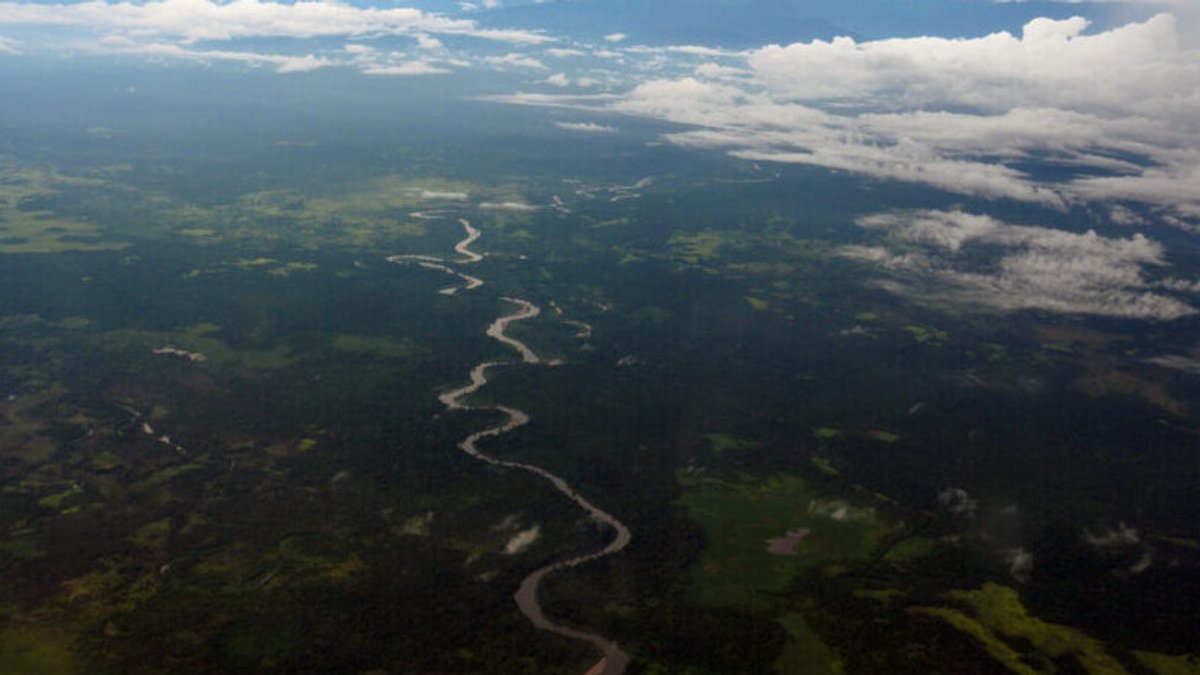
The PNG Government has allocated K500 million in its supplementary budget to tackle the crisis, with initial funds already distributed.
Low river levels have compelled PNG Power to implement load shedding across its main grids in Port Moresby, Ramu, and Gazelle, due to reduced hydropower generation. In the capital, businesses are increasingly reliant on diesel generators, adding to operational costs.
Despite challenges, PNG’s economy has shown resilience in 2026, supported by strong commodity prices and government fuel subsidies. ANZ Papua New Guinea CEO Andrew Betteridge notes that consumer spending has helped mitigate impacts, while BSP Group maintains its 2026 GDP growth forecast at 3.5%, down from 6.2% in 2025. BSP expects similar growth in 2027 but warns of lingering El Niño effects early next year.
Read Also: Weaker PNG kina hits manufacturers, aids exporters
Rural areas are bearing the brunt of the crisis, with communities dependent on rivers for water and transport facing severe disruptions. Kavanamur highlights that while Port Moresby maintains power and water access, peripheral regions are struggling. Westpac PNG CEO Andrew Cairns points out that supply chains, especially those reliant on marine and riverine transport, are under strain. “If you don’t have the river volumes, then you can’t get barges up and out of areas,” he explains, warning that some communities may need to relocate.
The foreign exchange market remains stable, bolstered by mining and agricultural exports. BSP Group reports improved forex processing times, now clearing in “days to a week.” However, Rohan George, BSP Group General Manager, Treasury & Markets, cautions that rising demand and El Niño relief efforts could pressure forex reserves. Cairns adds that sustained El Niño conditions could threaten these gains, with the outlook dependent on gold prices and mining project progress.
Financial institutions are responding proactively. ANZ is focusing on supporting affected businesses, while BSP calls for a coordinated national strategy. Daniel Faunt, BSP Group General Manager, Corporate & Institutional Banking, describes El Niño as a “risk amplifier” in an already fragile global economy, with geopolitical tensions potentially exacerbating fuel costs.


