Russia’s oil exports hit massive bottleneck
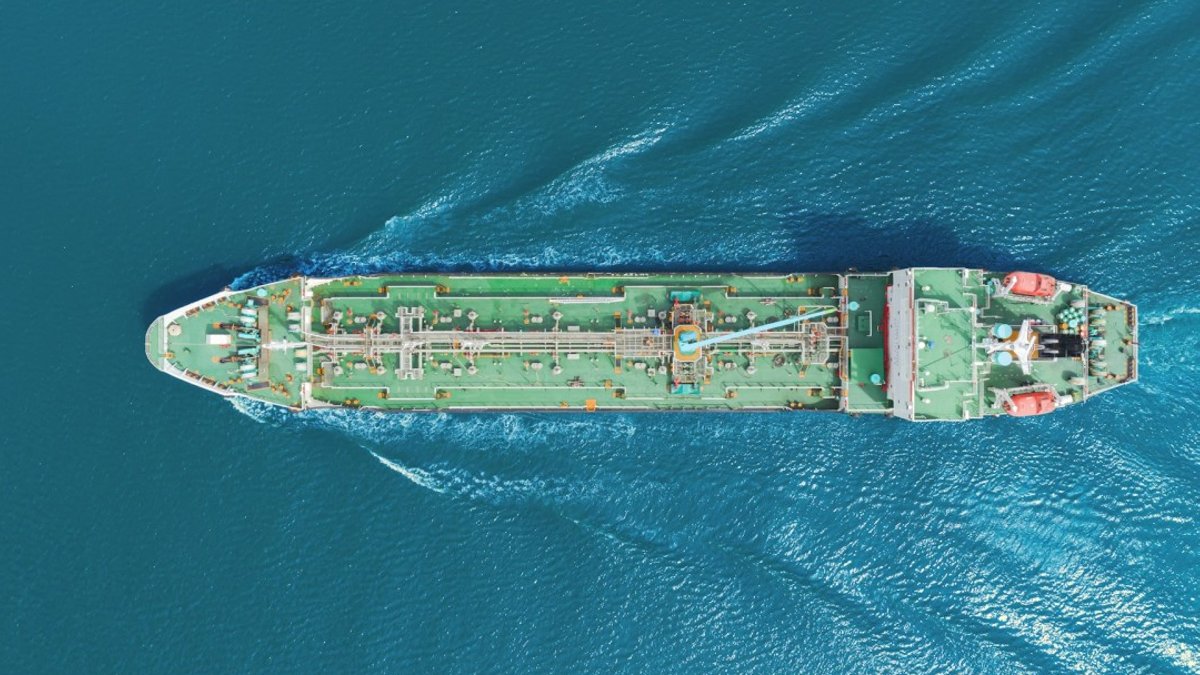
Nearly 135 million barrels of Russian crude oil remain stranded at sea. The backlog stems from Ukraine’s airstrike campaign against Russian refineries, which has disabled about one-third of the country’s domestic processing capacity.
Russia’s refining capacity has dropped to 3.91 million barrels per day, its lowest level since 2005. Strikes on the Gazprom Neftekhim Salavat and Afipsky facilities forced Moscow to reroute more oil to international markets, though production still lags its OPEC quota by roughly 830,000 barrels per day.
Export hubs overwhelmed as buyers vanish
Key Russian export terminals are struggling under the surge. Sokol and Sakhalin Blend cargoes face week-long delays transferring from shuttle tankers to larger vessels, while ESPO crude accumulates near the Kozmino terminal. Russia’s shadow fleet tankers are now accumulating near Egypt’s Mediterranean coast and Indonesia’s Riau Islands, many masking destinations or sitting idle.
International buyers have pulled back due to secondary sanctions risks. China and India continue purchasing, importing about 1.8 million barrels per day combined. Turkey and Syria imported about 160,000 bpd and 40,000 bpd, respectively, but nearly 1.9 million barrels per day lack a clear destination in tracking data, indicating many shipments remain unsold.
Despite the bottlenecks, Russia’s export volumes have not declined. Seaborne crude shipments averaged 4.13 million barrels per day over the four weeks ending June 28, the highest rate since early 2022. The oversupply has pushed prices down, reducing revenue even as volumes rise.
Related: 7 Benefits of Having An Investment Fund In Italian Banks
Revenue drops as discounts widen
Russia’s four-week crude export revenue fell by about $200 million to $1.68 billion per week. The Urals benchmark has retreated from its earlier peak, and the discount on Russian crude has grown, worsening financial pressure. While the country ships more oil than ever, lower global prices and delayed deliveries are cutting into profits.
The backlog near Egypt and Indonesia shows how difficult it has become to find buyers, even at reduced prices. The stranded barrels represent a floating liability that Moscow may struggle to sell without deeper price cuts.
The situation may deteriorate if refining capacity does not recover soon. With domestic storage nearing capacity, Russia may have to flood an already saturated market, risking steeper price declines.
The stranded barrels highlight the unintended consequences of targeting energy infrastructure. The strikes damaged Russia’s refining capabilities, but the fallout continues to complicate its export strategy. Markets may feel the effects for months to come, as renewed war fears add another layer of uncertainty to an already volatile situation.

Oil Surges 12 Percent on Renewed War Fears


