Beer industry poised for growth globally
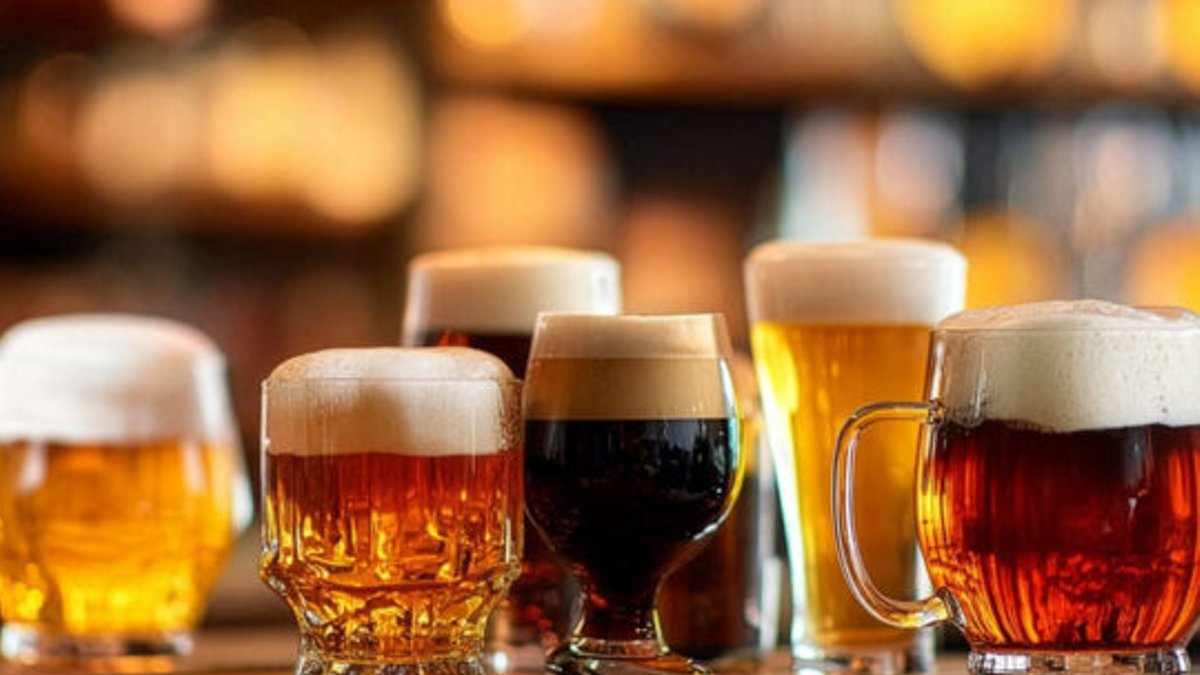
The global beer industry is poised for growth as consumers increasingly seek lower- and no-alcohol options. In supermarkets and pubs, bars, and restaurants, these alternatives are becoming staples of the drinking environment. Beer is the obvious choice for those seeking a lower- or no-alcohol drink, given its typically moderate alcohol content of five percent or less.
A beer contains significantly less alcohol than cocktails made with hard liquor, such as a Negroni or Old Fashioned, which have an alcohol by volume (ABV) of 20-30 percent or more. Additionally, beer has less alcohol than a glass of wine, which typically has an ABV of 12 percent.
Character of Beer
The unique character of beer is due to the interplay of malted barley sweetness, hop bitterness, and yeast esters during fermentation. Brewers preserve this character in their lower- and no-alcohol alternatives, making beer a distinct choice in the lower- and no-alcohol beverage market.
IWSR forecasts that no-alcohol beer and cider will contribute nearly 70 percent of the overall no/low-alcohol growth between 2022 and 2026. Furthermore, a report from the European Commission reveals that beer and cider make up 97 percent of the EU’s lower and no-alcohol market.
Industry Benefits
The beer industry’s alignment with economic priorities has obvious benefits for policymakers’ public health objectives. Substituting high-alcohol beverages with lower-alcohol options like beer is a time-tested way to improve public health outcomes.
A study by WHO Europe found that policies shifting consumption away from high-strength alcohol beverages towards lower-alcohol beverages were associated with improving multiple public health indicators. The study also shows that this shift can lead to better health outcomes. Additionally, a study by the Portman Group revealed that one in five consumers in the UK who drank alcohol said their weekly consumption had decreased since trying lower- and no-alcohol alternatives.
Supporting Communities
The beer industry supports thriving communities by lifting up local economies. 86 percent of brewers’ supplier spending is in local markets, benefiting hops and barley farmers, trucking companies, and hospitality businesses. The productivity of those employed by brewers is also significantly higher than the average worker, driving economic growth and income opportunities.
Oxford Economics found that brewers generate $117,000 of GDP per worker in lower-income countries, more than 18 times the average. This highlights the industry’s unique contribution to local economies. They contribute to the growth of local economies in a significant way.

U.S. Clarity Act Offers Digital Asset Regulatory Certainty


