Oil prices surge on Iran war fears
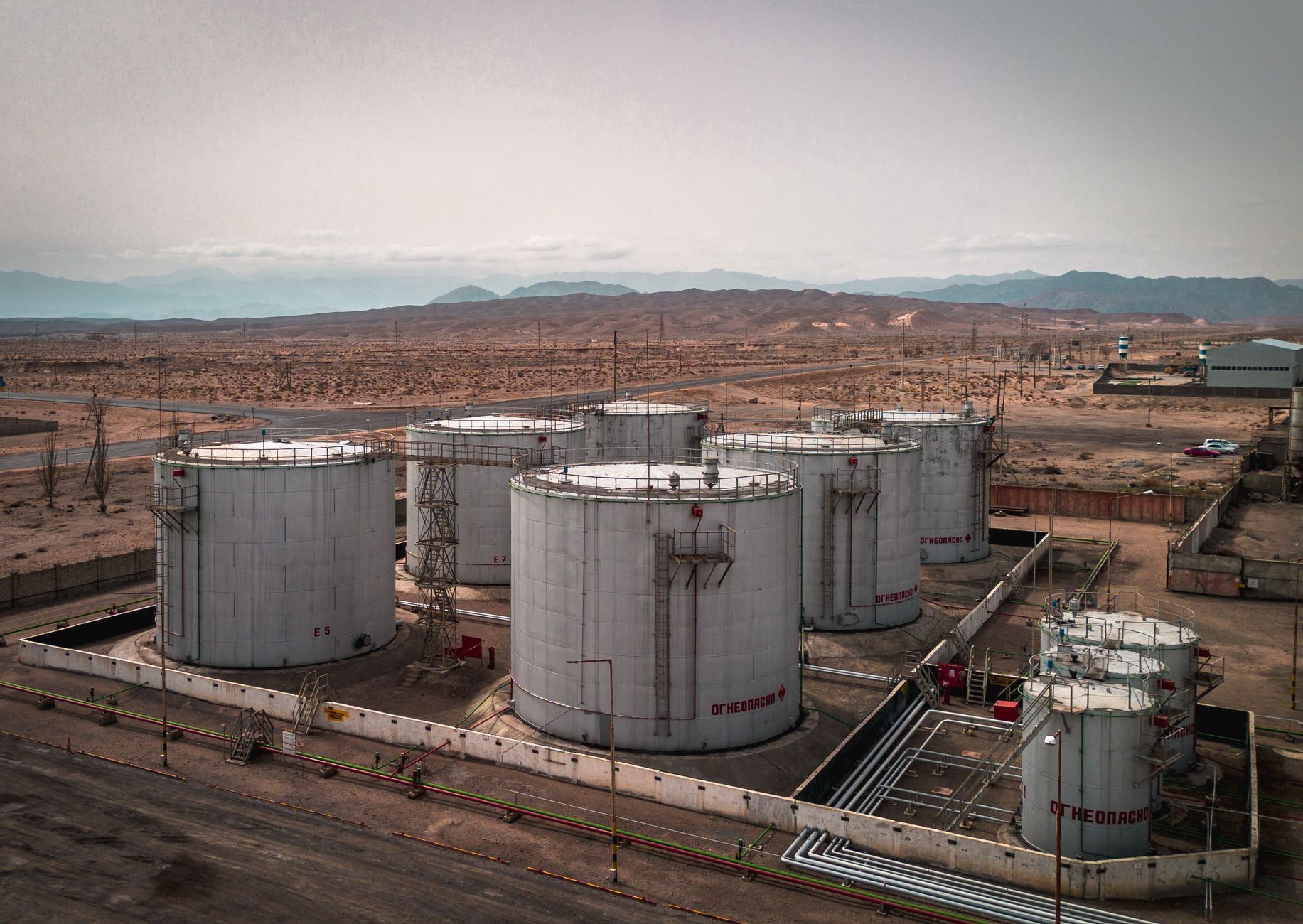
Oil prices are poised for their biggest weekly rise since April as renewed fighting in the Middle East and a sudden halt to shipments through the Strait of Hormuz push crude futures to their highest level in more than a month.
Market reaction to fresh U.S. strikes
In early Asian trading on Friday, both major benchmarks climbed roughly 1 percent. Brent Crude settled at $85.06 a barrel, while the U.S. benchmark, WTI Crude, rose to $79.88 per barrel. The gains reflect the sixth consecutive night of airstrikes against Iranian targets, a campaign the Pentagon says is intended to curb Tehran’s ability to disrupt commercial shipping.
Earlier in the week, Brent futures briefly topped $86 a barrel after Iran’s forces struck two UAE‑managed oil supertankers in the southern lane of the Strait of Hormux near Oman. Those attacks, which occurred in a corridor the United States traditionally monitors, prompted Washington to resume nightly strikes and to reimpose a naval blockade outside the strait.
Escalating military actions in the Gulf
U.S. Central Command reported that on Thursday, forces disabled an Iran‑linked sanctioned tanker near the key export hub of Kharg Island in the Persian Gulf. The move appears to broaden the scope of the renewed blockade, which aims to limit Iran’s oil export capacity.
Related: India Raises Export Tax on Diesel and Jet Fuel
Friday’s operations targeted dozens of Iranian military assets, including coastal surveillance installations, air‑defense sites, logistics hubs and maritime capabilities. “At the Commander in Chief’s direction, CENTCOM is further degrading Iranian military capabilities and holding Iran accountable for recent attacks on commercial shipping,” a military statement read.
The ceasefire that had kept the strait’s traffic flowing has essentially collapsed, curbing the flow of oil through one of the world’s most vital chokepoints. With less supply from the region, upward pressure on prices is a logical outcome.
In a related development, the Iran‑aligned Houthi rebels in Yemen are waiting for clearance from the Islamic Revolutionary Guard Corps to possibly close the Bab el‑Mandeb Strait, another critical artery for Red Sea oil shipments.
While the immediate price surge is tied to the latest round of hostilities, the outlook remains uncertain.
Related: How to clean my engagement ring
Oil markets remain tense.
In the short term, the market’s reaction suggests that traders are pricing in a continued strain on supply. Whether the price gains will hold depends on how quickly diplomatic channels can de‑escalate the situation and on the ability of other producers to fill the gap.
Overall, the combination of renewed U.S. strikes, a reinstated naval blockade, and the potential for further closures of key maritime routes creates a volatile environment for oil markets. As events unfold, price movements will likely mirror the pace of developments on the ground.

India Raises Export Tax on Diesel and Jet Fuel


