MEXC Launches Crypto Card for Routine Spending
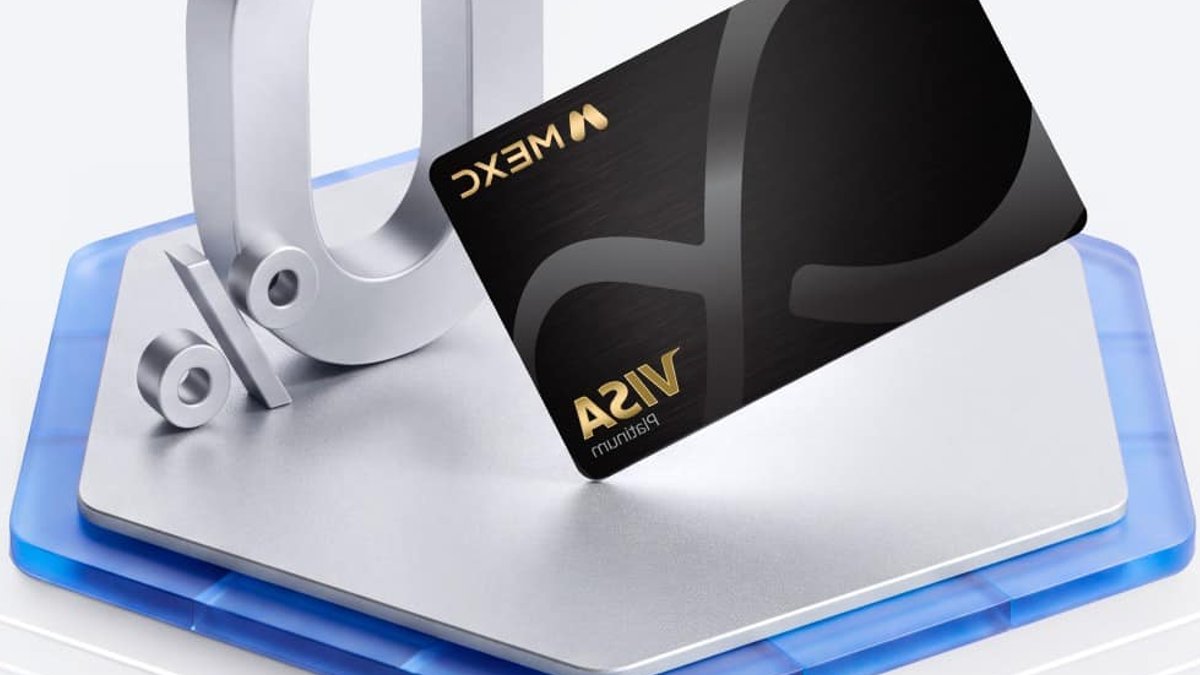
MEXC has introduced a Visa card that lets users pay with cryptocurrency while earning cashback, an effort to bring digital-asset transactions into everyday spending. The MEXC Global Card offers no fees for a limited promotional period and rewards of up to 10% back in the stablecoin USDT, the company announced. USDT, the stablecoin that underpins the cashback structure, is issued by the blockchain platform Tether and maintains a value pegged to the US dollar, providing holders with price stability that mimics traditional fiat currencies while remaining on distributed ledger technology.
How the card works
The card is designed for routine purchases rather than trading. It connects with Apple Pay and Google Pay, allowing tap-to-pay from a smartphone. This integration means users can add the card to their digital wallets and make contactless payments at any merchant that accepts Visa, whether that merchant actively supports cryptocurrency or not. Cashback ranges from 4% to 10%, with an 800 USDT ceiling on rewards per cardholder, according to the company. There is no annual fee and no charge for topping up the card. The tiered cashback structure appears to reward higher spending activity, though the company has not disclosed precisely how the percentage is determined for individual users.
Settlements use Visa’s exchange rates. MEXC says it will not add its own markup on top of those rates. Applicants must complete what the company calls an advanced identity verification process before the card becomes active. This verification step aligns with regulatory expectations in the regions where the card will be offered, requiring users to submit identity documentation that the platform can verify before unlocking full card functionality.
Market context
The launch arrives as crypto-backed card spending climbs. Global volume reached $1.04 billion in July, more than three times the amount recorded in the same month last year, according to Paymentscan. The average transaction rose to $86 from $59. USDT makes up roughly 26% of all stablecoin-backed card spending, according to a16zcrypto, a venture-capital fund that invests in digital currencies. The data suggests that users are increasingly comfortable converting their digital assets into spendable form at point-of-sale terminals, a behavior that would have seemed unusual just a few years ago when cryptocurrency transactions were predominantly associated with trading and speculation.
Related: Global Payments upgrades Genius POS as Worldpay approaches
Industry observers note that crypto cards have existed for years, but high fees and slow settlement have limited their appeal for small, recurring purchases. Removing those friction points could broaden usage among people who already hold digital assets but prefer not to convert them before spending. The historical challenge for crypto payment cards centered on volatility concerns and network congestion, which caused delays that made them impractical for time-sensitive transactions. By settling through established payment rails and leveraging stablecoins for cashback, MEXC’s offering attempts to address both the speed requirement and the value-preservation need that previous generations of crypto cards failed to meet.
The company is positioning the card as part of a broader vision. “We want users to see digital assets not simply as an investment tool, but as part of a complete financial journey, from saving and yield-generating products to principal-protected solutions and, ultimately, everyday spending,” said Vugar Usi, a former Bain & Co. executive who became MEXC’s chief executive in December, in a statement. The executive’s background at a global management consulting firm suggests the platform is approaching its card launch with attention to market positioning and competitive differentiation.
Availability and background
The card will initially be available in countries within the European Economic Area, with broader rollout planned. The company did not say how many cards it expects to issue. MEXC operates in more than 170 countries and reports having 40 million users globally. The platform launched in 2018 under the name MXC Exchange and is now headquartered in the Seychelles, an island nation in the Western Indian Ocean. The choice of the EEA as an initial launch region reflects the relatively clear regulatory framework for cryptocurrency services in that jurisdiction, where licensing requirements and consumer protection standards provide a structured environment for introducing new financial products tied to digital assets.

Global Payments upgrades Genius POS as Worldpay approaches


