Drug rehabilitation programs stymied by extortion demands
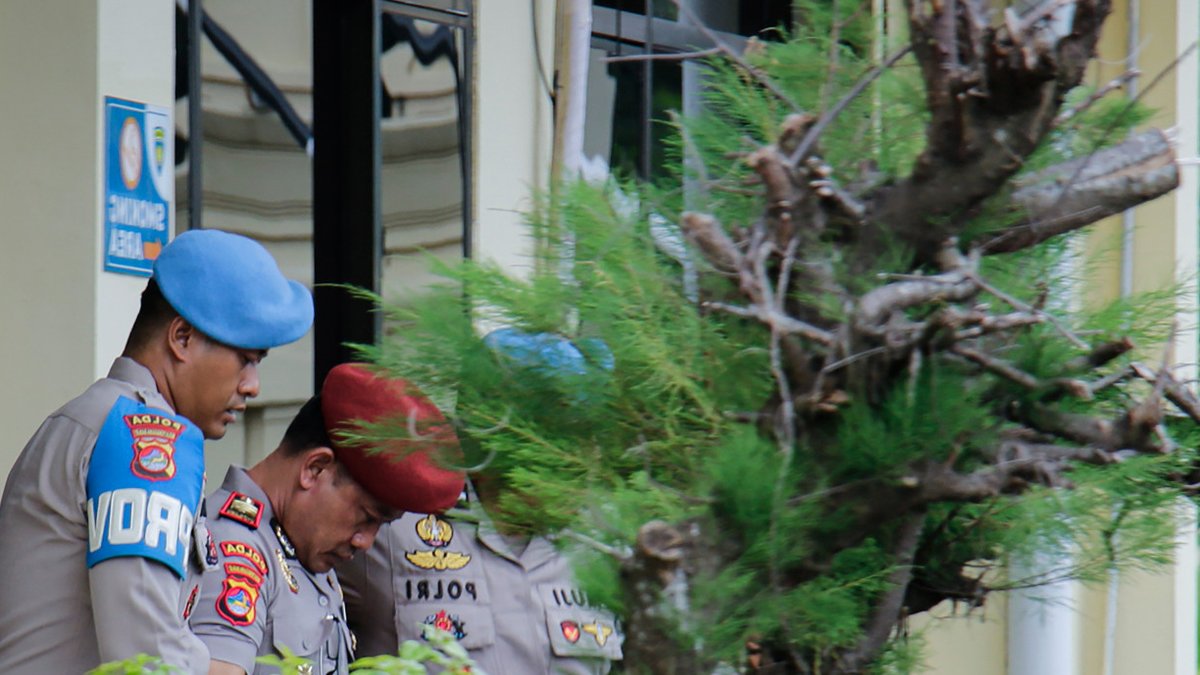
The government’s push to redirect drug offenders from prisons to rehabilitation programs is facing serious obstacles due to pervasive extortion, where law enforcement and treatment providers demand bribes to bypass legal procedures. This initiative targets prison overcrowding, where more than half of inmates are serving time for drug-related offenses, yet its effectiveness is being undermined by systemic corruption.
The legal structure for rehabilitation is already in place: the 2009 Narcotics Law and a 2014 joint decree by seven state agencies established the Integrated Assessment Team (TAT) to decide whether arrestees should be prosecuted or sent for treatment. However, in reality, these assessments are frequently skipped. Wahyu Khresna, who manages the Karisma Foundation’s programs, explained that police and rehabilitation centers often force users into informal agreements to avoid prosecution or secure treatment access.
Read Also: India to simplify income tax law with new bill
Extortion is not an isolated problem. The National Narcotics Agency (BNN) confirmed in an October statement that even those approved for rehabilitation by the TAT can still face prosecution. Aldrin M.P. Hutabarat, the BNN’s deputy for community empowerment, recognized the issue but did not propose concrete solutions to fix it.
Those caught in the system often have no real alternatives.

India to simplify income tax law with new bill


