Bangladesh’s $12.65 Billion Nuclear Project Faces Biggest Test
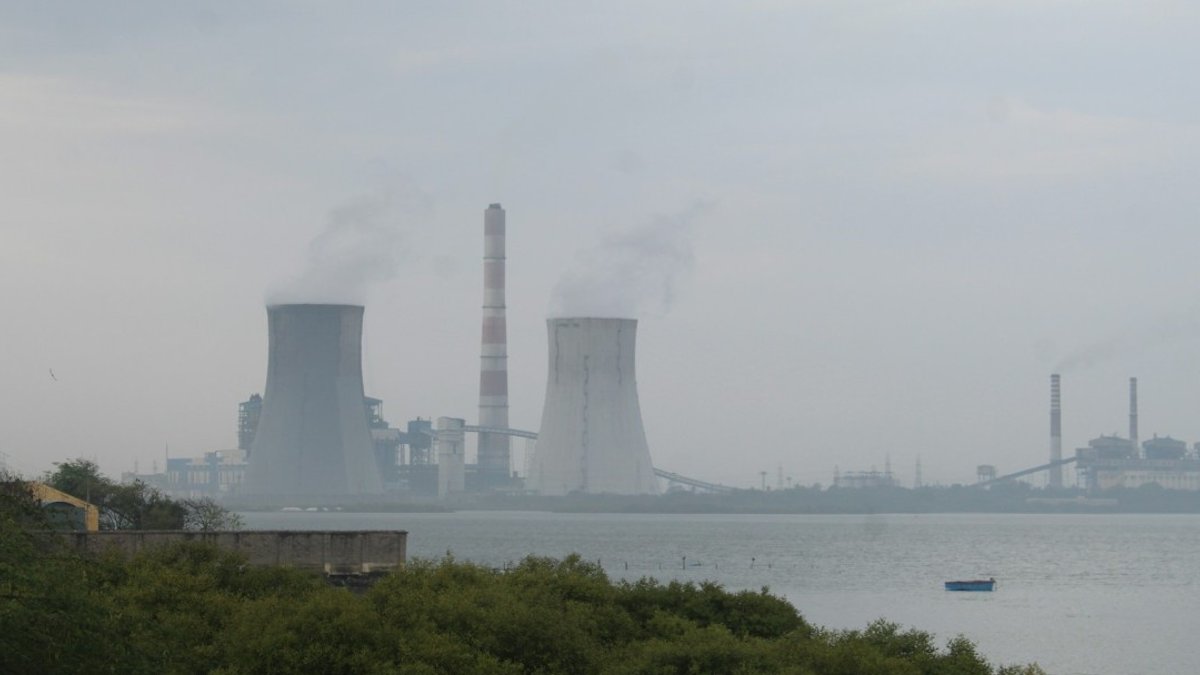
Bangladesh’s $12.65 Billion nuclear bet is set to be tested as the Rooppur plant nears completion, a project that could supply up to 15 percent of the country’s electricity by 2028.
Project timeline and cost details
The Rooppur facility, built by Russia’s state‑owned Rosatom, comprises two reactors. The first unit is slated to connect to the grid in 2027, with the second following a year later. The contract totals about $12.65 billion, covering construction and the initial years of fuel supply, according to the outlet.
Bangladesh’s energy minister has emphasized that the country will not pursue another large‑scale nuclear plant after Rooppur becomes operational. Instead, officials are turning to small modular reactors, which promise lower upfront costs and quicker deployment.
Financial pressures and currency shifts
The project’s price tag raises concerns because the Bangladeshi taka has weakened considerably since the agreement was signed a decade ago. While Rosatom argues that nuclear offers long‑term cost advantages, the immediate financial burden could strain Bangladesh’s budget.
Bangladesh joined a growing list of emerging economies that are expanding nuclear capacity. India and Pakistan have each kickstarted nuclear power sectors in recent years, and even Singapore is now considering the technology. For many of these countries, nuclear power is seen as a way to reduce reliance on imported fossil fuels, especially amid geopolitical tensions such as Russia’s invasion of Ukraine.
Related: How CBN gummies for sleep works
Nuclear power helps decarbonize grids while avoiding an over‑reliance on intermittent power sources such as solar and wind. This reflects a broader trend where nations seek stable baseload generation to complement renewable energy.
Compared with earlier nuclear projects in wealthier nations, the Rooppur plant illustrates how financing and geopolitical considerations intersect. In the past, only a handful of powerful countries could shoulder the high upfront costs and waste management responsibilities. Today, the balance of power is shifting, with Russia and China competing for influence in the African nuclear market, while Bangladesh taps Russian expertise for its own ambitions.
Potential implications for other emerging markets
If Rooppur proves financially viable, it could serve as a model for other developing nations considering nuclear power. Conversely, if the plant’s expenses outweigh its benefits, Bangladesh might become a cautionary example of the risks involved in large‑scale nuclear investments.
Bangladesh continues to grapple with the dual challenge of meeting rising energy demand and maintaining affordability.
The country’s approach—mixing traditional nuclear with smaller modular units—reflects an attempt to balance long‑term sustainability with immediate fiscal realities.


