São Paulo, Mexico City power resilient Latin tech
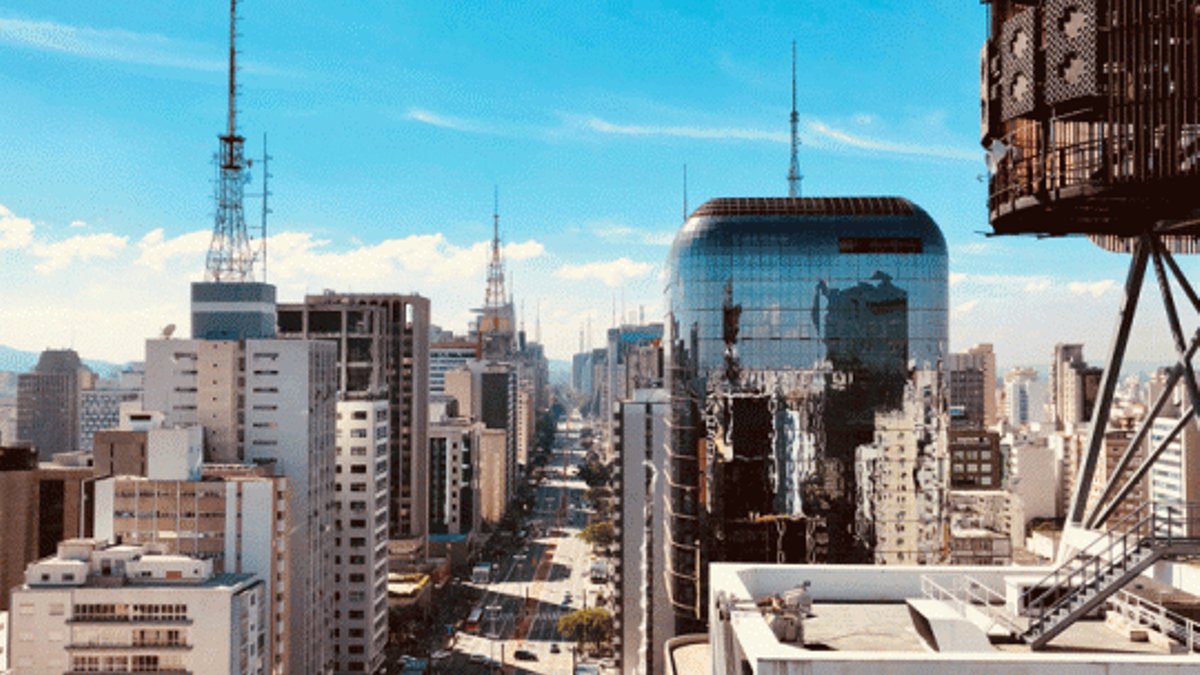
Latin America’s technology industry has established itself as a worldwide center for innovation, with venture funding surging into start-ups before the pandemic. Annual investment in the region increased by double digits from 2016, reaching a peak of $4.6 billion in 2019 before the economic downturn caused by COVID-19. Despite these challenges, major urban centers such as São Paulo, Mexico City, and Santiago have demonstrated remarkable resilience, blending well-developed infrastructure with rapid technological advancement.
São Paulo: Brazil’s fintech and startup leader
São Paulo remains the dominant force in Brazil’s technology sector, capturing over 60% of the country’s venture capital. The city’s reputation rests primarily on its fintech industry, where it leads the region, and its status as home to multiple high-value start-ups valued at over $1 billion. Global corporations—including Amazon, Uber, and Spotify—have established regional headquarters there, signaling confidence in its stability. Unlike many other markets, São Paulo’s start-ups not only endured the pandemic but expanded, supported by a mature ecosystem that absorbed early disruptions.
The city’s success stems from its size: home to over 21 million people, the sprawling megacity of São Paulo provides both a vast talent pool and direct market access. While São Paulo’s technology sector has long been established, its ability to adapt during economic downturns has maintained its position at the forefront. The presence of multinational firms further reinforces expectations of sustained growth, even as volatility persists in other Latin American markets.
Mexico City: The Spanish-speaking bridge to Latin America
Mexico City has become a critical entry point for companies expanding across Latin America. Its Spanish-speaking population and central geographic location simplify regional market access, while its proximity to major U.S. technology hubs like Los Angeles and Austin offers logistical benefits. Streaming giant Netflix has selected the city for a regional headquarters, reflecting its growing importance in the industry.
The city’s technology expansion is closely tied to its economic potential. With a population of over 21 million, Mexico City provides a large domestic market and a strategic position for businesses targeting broader Latin American growth. Investors increasingly view Mexico as a bridge between North and South America, reducing language and regulatory obstacles that often complicate entry into markets like Brazil.
While São Paulo leads in financial technology, Mexico City excels as a regional connector, combining local innovation with global integration. The pandemic accelerated this trend, as remote work reduced the importance of physical location, but Mexico City’s established infrastructure and skilled workforce have kept it competitive.
Santiago’s accelerator-driven growth and entrepreneurial focus
Santiago, Chile, may not immediately suggest a technology hub, yet it has earned the nickname Chilecon Valley. The city’s breakthrough occurred in 2010 with Start-up Chile, a government-supported accelerator that has since backed over 1,500 start-ups from 80 countries. The program provides equity-free investments for start-ups from around the globe. Chile ranks as Latin America’s top nation for entrepreneurship, according to the 2020 Global Entrepreneurship Index. Santiago’s appeal lies in its ability to draw international talent while supporting local innovation. Even during the pandemic, the city’s tech community maintained momentum through remote collaboration, ensuring continued growth.
Buenos Aires and Medellín: Specialized strengths in ecommerce and reinvention
Buenos Aires has become a leader in Latin American ecommerce, partly due to Mercado Libre, the region’s equivalent to Amazon. The city also stands out in blockchain development, with Argentine firms in crypto and blockchain expanding by 10% in 2019. Its reputation as a tech incubator continues to attract global attention, though economic instability has posed challenges.
In contrast, Medellín has undergone a dramatic transformation, shifting from a city once labeled “the world’s most dangerous” by Time magazine in 1988 to a symbol of innovation. The Ruta N Innovation District now hosts major technology companies such as Huawei and Tuya Smart, while co-working spaces support collaboration. This reinvention reflects a broader pattern of cities leveraging technology to drive economic renewal.

Middle market real estate sees new investment opportunities


