Microgrids Gain Popularity as Energy Solution
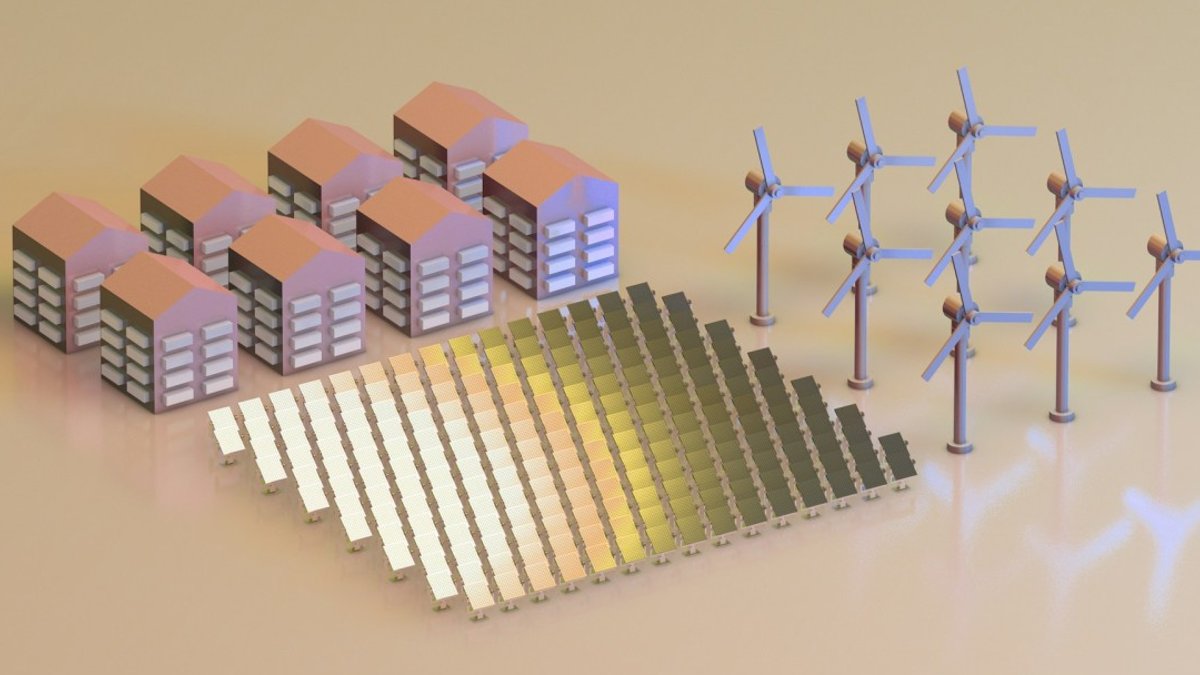
A microgrid is a self-contained power system that generates, stores, and manages its own electricity for a defined area. When Hurricane Maria hit Puerto Rico in 2017, one building in the mountain town of Adjuntas never lost power, thanks to a system of solar panels and batteries installed by a local environmental group, Casa Pueblo.
This setup kept the lights on while the rest of the island waited nearly a year for power to be restored. It also became the foundation for one of the country’s most watched community microgrids.
A microgrid can serve a single building, a military base, or an entire neighborhood, and it can run connected to the main utility grid or disconnect and operate independently. The U.S. Department of Energy categorizes microgrids into four types: campus/institutional, community, remote/off-grid, and resilience, each with its own specific characteristics and applications.
For example, a campus/institutional microgrid typically serves a single owner’s facilities, such as universities or military bases, while a community microgrid serves multiple customers within a utility’s territory, like neighborhoods or downtown districts.
Every microgrid needs three key components: a way to generate power, a way to store it, and a brain to manage both. Generation can come from solar PV, natural gas turbines, diesel generators, or fuel cells, depending on the site’s needs and budget.
Related: Bangladesh’s $12.65 Billion Nuclear Project Faces Biggest Test
Storage is typically provided by batteries, which smooth out the gap between power generation and demand. A microgrid controller constantly balances supply and demand, decides when to buy or sell power to the utility, and triggers the switch to island mode if the main grid fails.
The point of common coupling, or PCC, is the connection point where the microgrid meets the utility grid. When the controller detects instability on the other side of the PCC, it opens the switch and the microgrid keeps running on its own resources.
Extreme weather, rising electricity costs, and an aging grid are driving microgrids from niche to mainstream. At Marine Corps Air Station Miramar in San Diego, a microgrid combining diesel and natural gas generation, landfill gas, and solar PV can island over 100 mission-critical buildings for weeks at a time.
In Puerto Rico, Casa Pueblo’s Adjuntas microgrid now links solar installations across over a dozen local businesses, each agreeing to provide essential services during outages.
Microgrids are not just for remote or disaster-prone areas; they’re also being used by hyperscalers to power AI data centers, which require massive amounts of electricity.
Related: Capsules CBD ou Topiques CBD. Qu’est-ce qui est mieux?
To address this gap, hyperscalers are building their own power on-site, using fuel cells, solar, and battery storage, all wrapped in the same microgrid logic that powers a military base or hospital. Bloom Energy alone signed $7.65 billion in fuel cell contracts for data centers in the first 90 days of 2026.
American Electric Power committed $2.65 billion over 20 years for fuel cell power tied to a Wyoming data center. The market is catching up, with the global microgrid market projected to grow from $13.58 billion in 2025 to $57.58 billion by 2034, a compound annual growth rate of nearly 18 percent.
Investment is following demand, driven by grid modernization spending, resilience programs, and rising commercial and industrial demand. The pattern across all these projects is clear: when the centralized grid fails, the places that kept functioning were the ones that didn’t need it to, often utilizing online higher education courses to manage and maintain their systems.
Getting started with a microgrid project involves a rough sequence of load assessment, resource mix, storage sizing, controls and software, interconnection and permitting, and testing and commissioning. Every microgrid is unique, but they all share the same goal: to provide reliable, local power when the grid can’t.
They require careful planning and execution.

Bangladesh's $12.65 Billion Nuclear Project Faces Biggest Test


