Diet Soda As Effective As Water for Weight Loss
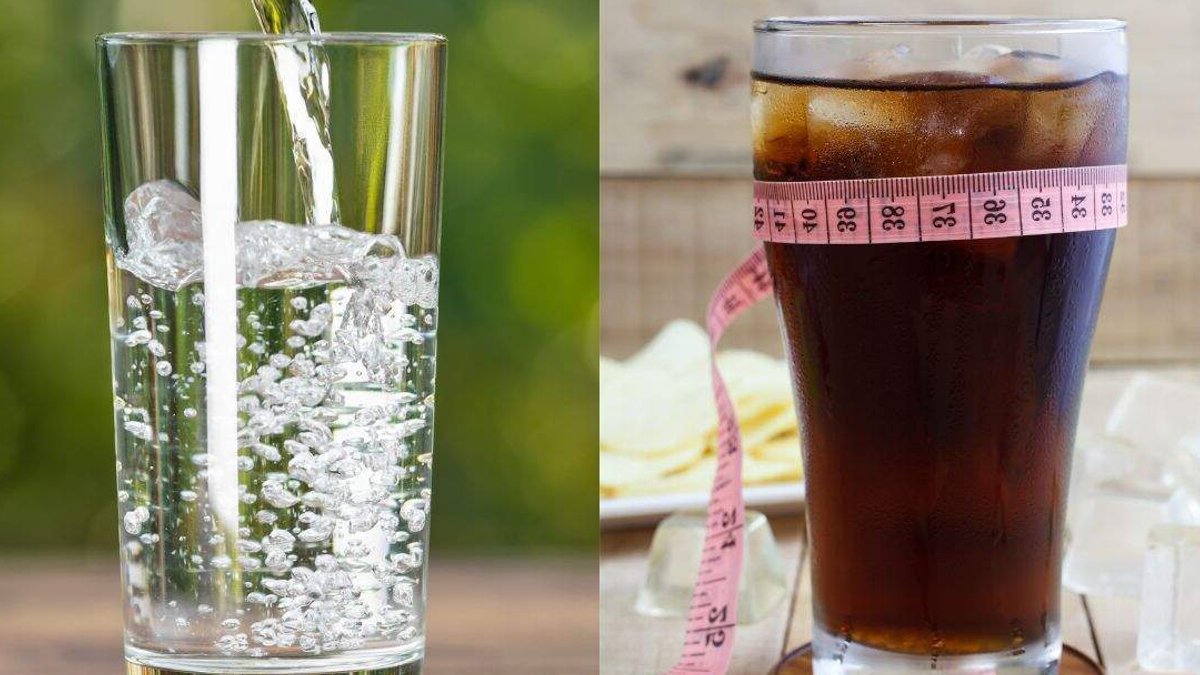
Diet soda may offer no significant advantage over water for weight loss, according to a new two-year clinical trial. The study, published in the British Journal of Nutrition, found that participants drinking diet beverages lost slightly more weight than those drinking water, but the difference was not statistically significant.
The University of Liverpool researchers recruited 493 adults who were overweight or obese and assigned them to drink either plain water or commercially available diet beverages daily. The drinks contained artificial sweeteners such as aspartame, acesulfame potassium and sucralose. All participants also took part in a structured behavioural weight-management programme.
By the end of the two-year period, both groups had lost weight and maintained much of their progress. Those consuming diet beverages shed an average of 10.6 pounds, compared with 8.2 pounds among water drinkers. The minimal difference meant the study could not confirm that diet drinks provided a clear weight-loss benefit over water.
Professor Jason Halford, the study’s lead author, stated that non-nutritive sweetened beverages are an effective alternative to sugar-sweetened drinks for weight management and perform just as well as water over two years. He emphasized that the finding aligns with previous guidance encouraging reduced sugar intake through artificial sweeteners.
Controversy Over Artificial Sweeteners
Despite the weight-loss results, concerns persist about the long-term health effects of artificial sweeteners. Some research suggests links to metabolic issues, cardiovascular risks and disruptions to gut bacteria. Other studies have raised questions about potential impacts on tooth enamel, headaches and bone health.
A review by Healthline highlighted mixed evidence on how artificial sweeteners affect appetite regulation and sugar cravings. While some studies indicate they may influence these processes, the data remains inconclusive, and more human research is needed to clarify their effects.
Connections to Diabetes and Cardiovascular Risks
The Northern Manhattan Study, published in Current Developments in Nutrition, tracked 2,019 adults without diabetes for an average of 11 years. Among overweight or obese participants, daily diet soda consumption was linked to a higher risk of developing diabetes. However, the study emphasized that the association does not prove causation, and body mass index partly explained the relationship.
This study adds to the ongoing debate about whether diet drinks are a viable tool for weight management, especially given the mixed evidence on their health impacts beyond calorie reduction. While they may help reduce sugar intake, their long-term effects remain uncertain.
Recommendations and Alternatives
The World Health Organization has cautioned against relying on no-sugar sweeteners for long-term weight control due to unresolved questions about their safety. Gradually reducing diet soda intake may also help adjust drinking habits more sustainably.


